February 27, 2026
Wood floors have remained a timeless choice for homeowners because of their natural beauty, durability, and long-term value. Whether you are building a new home or renovating an existing space, understanding the fundamentals can help you make confident decisions. Before investing in flooring, here are the most important things you should know.
1. Understand the Different Types Available
Not all wood floors are the same. One of the first things to understand is the difference between solid hardwood and engineered wood. Solid hardwood is made from a single piece of wood, while engineered options consist of multiple layers with a real hardwood veneer on top.
Solid wood flooring can be sanded and refinished multiple times, making it ideal for long-term durability. Engineered wood, on the other hand, offers greater stability in areas with fluctuating humidity levels. Both options provide authentic wood surfaces, but their construction impacts where and how they can be installed. Knowing the differences allows you to choose the right product based on climate, budget, and lifestyle needs.
2. Recognize the Importance of Wood Species
The species of wood significantly affects the appearance, hardness, and overall performance of your floor. Popular domestic species include oak, maple, and hickory, while exotic species like Brazilian cherry offer distinctive color variations.
Hardness ratings, measured using the Janka scale, indicate how well a species resists dents and wear. For high-traffic areas, selecting a harder species can improve longevity. Lighter woods may show scratches less visibly, while darker tones can create a more dramatic aesthetic. Choosing the right species ensures your flooring aligns with both functional requirements and design preferences.
3. Consider the Impact of Thickness
Wood thickness plays a major role in durability and refinishing potential. According to the American Hardwood Information Center, while hardwood flooring comes in a variety of thicknesses, ¾ inch is the most common produced in the U.S. This standard thickness provides structural stability and allows for multiple refinishing cycles over the years.
Thicker planks generally offer greater longevity because they can withstand sanding and refinishing more times. Engineered options vary in thickness depending on the veneer layer and core construction. Understanding thickness specifications helps you evaluate long-term value and maintenance flexibility.
4. Evaluate the Installation Method
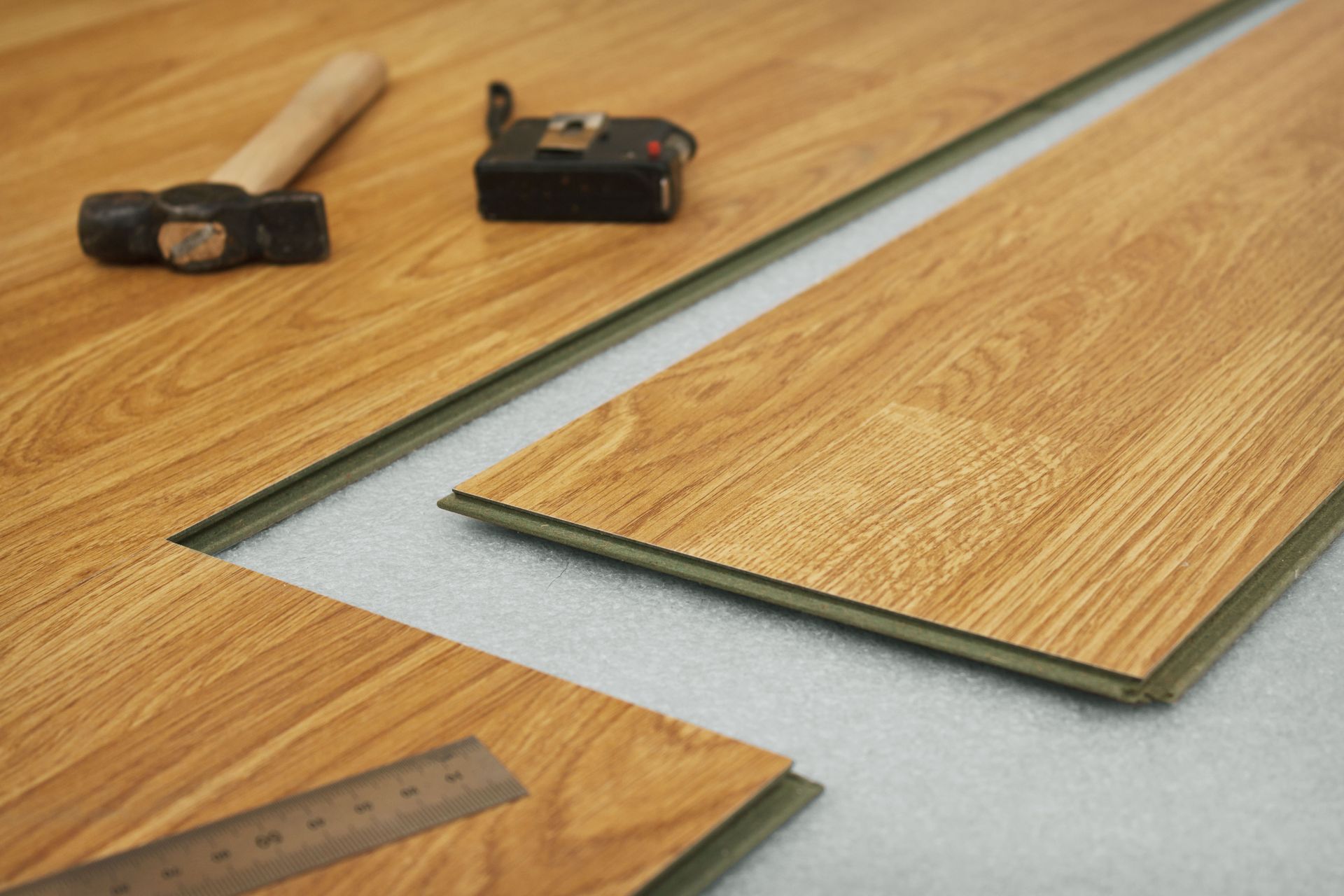
Installation methods vary depending on the type of product and subfloor conditions. Common techniques include nail-down, glue-down, and floating installations. Solid wood flooring is typically nailed or stapled to a wooden subfloor, while engineered products may allow for floating systems.
Proper installation is critical to prevent issues such as warping or squeaking. Professional installers assess moisture levels, subfloor flatness, and acclimation requirements before beginning the process. Selecting the right installation method ensures your flooring performs well and maintains its appearance over time.
5. Account for Moisture and Humidity Levels
Wood is a natural material that expands and contracts with changes in humidity. Excess moisture can cause boards to swell, cup, or buckle, while dry conditions may lead to shrinking and gaps.
Before installation, flooring must acclimate to the indoor environment to minimize movement after placement. Maintaining consistent indoor humidity levels—typically between 30% and 50%—helps protect the floor from seasonal changes. Moisture barriers and proper subfloor preparation further reduce the risk of damage, especially in basements or ground-level installations.
6. Understand the Maintenance Requirements
Wood floors require routine maintenance to preserve their beauty and structural integrity. Regular sweeping or vacuuming removes dirt and debris that could scratch the surface. Using manufacturer-approved cleaning products helps maintain the finish without causing buildup.
Protective measures such as area rugs, furniture pads, and removing shoes indoors can significantly reduce wear. Promptly cleaning up spills prevents staining and moisture damage. With proper care, wood flooring can last for decades, making it one of the most durable residential flooring options available.
7. Explore the Finishing Options
Finishes play a major role in both aesthetics and performance. Some come already factory-coated with durable finishes, often including aluminum oxide layers for added scratch resistance. Site-finished floors are sanded and sealed after installation, allowing for customized stain colors and seamless results.
Matte finishes provide a modern, understated look, while high-gloss finishes create a more traditional appearance. The choice of finish also affects maintenance needs, as glossier surfaces may highlight scratches more visibly. Selecting the right finish enhances the overall look of your flooring while supporting durability.
8. Plan for Refinishing Over Time
One of the greatest advantages of solid hardwood is its ability to be refinished. Sanding and refinishing restore the surface, remove scratches, and allow you to update the stain color if desired.
The number of times a floor can be refinished depends on its thickness and wear layer. Thicker planks provide more opportunities for restoration, extending the life of your investment. Planning for refinishing ensures your flooring continues to look fresh and attractive even after years of use.
9. Consider the Long-Term Value
Wood floors are widely recognized for increasing home value. Buyers often prefer homes with hardwood surfaces due to their durability and timeless appeal. Unlike carpet, which may need frequent replacement, wood flooring can last for generations with proper care.
In addition to resale value, wood floors offer long-term cost efficiency. Their durability reduces the need for frequent replacement, and refinishing provides a cost-effective way to refresh the surface. Investing in quality materials and professional installation maximizes both aesthetic and financial returns.
10. Weigh the Environmental Impact
Sustainability is an important consideration for many homeowners. Responsibly sourced hardwood products come from managed forests that promote regeneration and biodiversity.
Engineered wood can use fewer hardwood resources while still delivering an authentic surface layer. Certifications such as those from the Forest Stewardship Council (FSC) indicate environmentally responsible practices. Choosing sustainable wood flooring options allows you to enjoy natural beauty while supporting responsible forestry.
11. Compare Cost and Budget Considerations
The cost of wood floors varies depending on species, grade, finish, and installation complexity. Domestic species are often more affordable than exotic varieties. Wider planks and specialty finishes may increase overall expenses. Additional factors such as subfloor preparation, removal of existing flooring, and custom staining can also impact the total price.
While the upfront investment may be higher than some alternatives, the longevity and value retention of flooring often justify the cost. Factoring in installation, underlayment, and long-term maintenance helps you plan a realistic budget. It is also wise to account for potential refinishing years down the line, which can refresh the surface without the need for full replacement.
Understanding the full financial picture ensures there are no surprises during your flooring project. Careful budgeting allows you to balance quality, durability, and aesthetics while staying within your desired price range.
12. Prepare for Natural Variation and Character
One of the defining characteristics of real wood is its natural variation. Knots, grain patterns, and color differences add character and uniqueness to each plank. Unlike synthetic materials, no two boards are exactly alike.
Some homeowners prefer a uniform appearance, while others embrace the organic look of natural variation. Selecting the appropriate grade—clear, select, or rustic—helps achieve the desired aesthetic. Recognizing and appreciating these natural features enhances satisfaction with your flooring investment.
Wood floors combine beauty, strength, and long-term value, making them a popular choice for homes across the country. By understanding the types, installation methods, maintenance needs, and performance factors, you can make informed decisions that protect your investment. With proper planning and care, wood flooring can provide lasting elegance and durability for decades to come. If you are looking for a reliable flooring service, contact Floors By Steve today to learn more and get started!